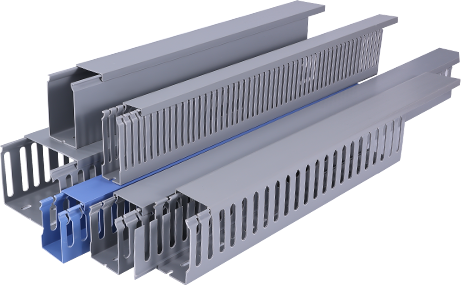

In the rapidly evolving global electrical industry, the demand for high-quality wiring duct solutions has grown exponentially. International clients, spanning from manufacturing facilities in Southeast Asia to data centers in North America, require wiring duct systems that not only meet local regulations but also align with global quality benchmarks. This article explores the key considerations for selecting and implementing wiring duct for international clients, highlighting the importance of compliance, durability, and adaptability in today's interconnected world.
When serving international clients, understanding regional standards is paramount. For instance, clients in the European Union often require wiring duct that adheres to CE (Conformité Européene) marking, ensuring compliance with health, safety, and environmental protection standards. In contrast, clients in North America typically look for products certified by UL (Underwriters Laboratories) or CSA (Canadian Standards Association), which focus on fire resistance and electrical safety. These certifications are not mere formalities; they are critical for ensuring the longevity and reliability of electrical systems in diverse environments. Manufacturers must therefore invest in rigorous testing and certification processes to cater to these varied requirements.
Material selection is another crucial factor for international clients. Wiring duct is commonly made from PVC (polyvinyl chloride), which offers excellent electrical insulation and resistance to chemicals. However, in regions with extreme temperatures, such as the Middle East or parts of Africa, clients may prefer materials like fiberglass-reinforced plastic (FRP) or aluminum, which provide superior heat resistance. Additionally, clients in environmentally conscious markets, such as Scandinavia or Japan, may prioritize recyclable materials or low-VOC (volatile organic compound) options. By offering a diverse range of materials, suppliers can better meet the specific needs of clients across different geographies.
Customization capabilities are essential for international clients with unique project requirements. For example, a client in Australia might need wiring duct with specific dimensions to fit into pre-existing electrical cabinets, while a client in Brazil could require multilingual labeling for ease of installation by local technicians. Suppliers that offer flexible customization options, such as custom colors, sizes, and printing services, can differentiate themselves in the global market. Moreover, providing technical support in multiple languages and offering local distribution networks can enhance the overall customer experience, fostering long-term partnerships with international clients.
Durability and performance are non-negotiable for international clients operating in demanding environments. In industrial settings, wiring duct must withstand mechanical stress, vibration, and exposure to harsh chemicals. In marine applications, resistance to saltwater corrosion is critical. Suppliers should conduct extensive durability testing, including impact resistance, temperature cycling, and chemical exposure tests, to ensure their products meet the highest performance standards. By providing detailed performance data and case studies, suppliers can instill confidence in international clients, demonstrating the reliability of their wiring duct solutions.
In conclusion, serving international clients requires a comprehensive approach that combines compliance with regional standards, material versatility, customization options, and uncompromising durability. By understanding the unique needs of each market and investing in quality assurance, suppliers can position themselves as trusted partners for global clients. As the world becomes increasingly interconnected, the demand for wiring duct that transcends borders will continue to grow, making it essential for manufacturers to adapt and innovate. By prioritizing these key considerations, businesses can not only meet the current needs of international clients but also prepare for future challenges in the dynamic global electrical industry.