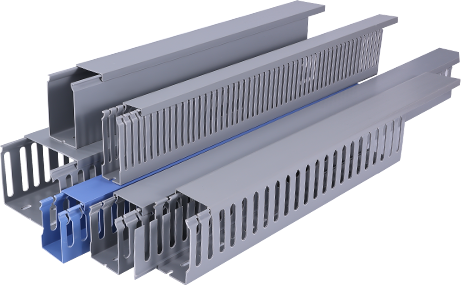

In the world of electrical engineering and industrial automation, proper cable management is not just a matter of aesthetics—it's a critical component of system reliability, safety, and efficiency. Among the various tools and components available for this purpose, DIN rail compatible wiring duct has emerged as a game-changer, offering a versatile and efficient solution for organizing cables in control panels, switchgear, and other electrical enclosures.\r \r DIN rail compatible wiring duct, also known as cable duct or wire channel, is a specialized component designed to be mounted directly onto standard DIN rails. These rails, which are widely used in industrial settings for mounting circuit breakers, relays, and other electrical components, provide a standardized framework that ensures compatibility across different manufacturers and applications. By integrating wiring duct with DIN rails, engineers and technicians can create a unified, modular system that simplifies installation, maintenance, and future upgrades.\r \r One of the key advantages of DIN rail compatible wiring duct is its flexibility. These ducts come in various sizes, materials, and configurations to accommodate different cable types, diameters, and quantities. From small, compact ducts for low-voltage signal wires to larger, heavy-duty models for power cables, there's a solution for every application. Additionally, many models feature snap-on covers, which not only protect cables from dust, moisture, and physical damage but also allow for easy access during maintenance or troubleshooting.\r \r Another significant benefit is the time and cost savings associated with using DIN rail compatible wiring duct. Traditional cable management methods often involve drilling holes, using zip ties, or custom-fabricating brackets—processes that are labor-intensive and time-consuming. With DIN rail mounting, installation is as simple as sliding the duct onto the rail and securing it with a locking mechanism. This not only reduces installation time but also eliminates the need for specialized tools or skills, making it accessible to both seasoned professionals and novice technicians.\r \r Safety is another critical consideration in electrical installations, and DIN rail compatible wiring duct excels in this area. By keeping cables neatly organized and separated, these ducts minimize the risk of short circuits, overheating, and accidental contact with live wires. This is particularly important in high-voltage environments or applications where vibration and movement could otherwise cause cables to become dislodged or damaged. Furthermore, the enclosed design of many wiring ducts helps to contain any potential fires or electrical faults, preventing them from spreading to other parts of the system.\r \r In addition to their functional benefits, DIN rail compatible wiring ducts also contribute to a more efficient and sustainable workplace. By reducing the time spent on installation and maintenance, companies can lower labor costs and increase productivity. Moreover, the modular design of these ducts allows for easy reconfiguration or expansion as needs change, reducing the need for costly replacements or upgrades. This not only saves money but also minimizes waste, aligning with the growing trend towards sustainability in industrial practices.\r \r When selecting a DIN rail compatible wiring duct, there are several factors to consider. First and foremost is the material. Common options include PVC, polycarbonate, and metal, each with its own set of properties. PVC is lightweight and cost-effective, making it ideal for general-purpose applications. Polycarbonate offers superior impact resistance and flame retardancy, making it suitable for harsh environments. Metal ducts, such as aluminum or steel, provide excellent durability and electromagnetic shielding, which is essential in applications where signal integrity is critical.\r \r Size is another important consideration. The duct should be large enough to accommodate all the cables in the installation without being overly spacious, which could lead to slack and potential damage. It's also important to consider the number of compartments, as some ducts feature dividers that allow for the separation of different cable types—such as power and signal wires—to prevent interference.\r \r Installation of DIN rail compatible wiring duct is a straightforward process, but it's important to follow best practices to ensure optimal performance. First, the DIN rail should be properly mounted and secured to the enclosure. Next, the wiring duct is slid onto the rail and locked into place using the provided clips or screws. Once the duct is in place, cables can be routed through it, with care taken to avoid over-bending or kinking. Finally, the cover is snapped or screwed on, providing protection and a clean, professional appearance.\r \r In conclusion, DIN rail compatible wiring duct is an essential component for any modern electrical installation. Its compatibility with standard DIN rails, flexibility, time-saving installation, and safety features make it a superior choice over traditional cable management methods. Whether you're designing a new control panel, upgrading an existing system, or simply looking to improve the organization of your cables, DIN rail compatible wiring duct offers a reliable, efficient, and cost-effective solution. By investing in this innovative technology, you can ensure that your electrical systems are not only well-organized but also safe, reliable, and ready to meet the demands of today's industrial environment.