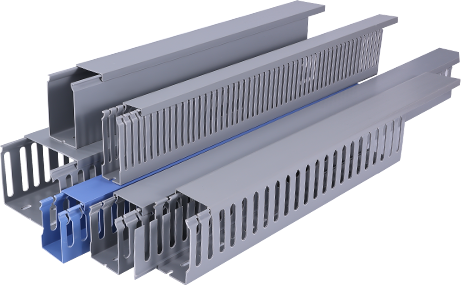

The Modular Duct System has revolutionized the way we approach heating, ventilation, and air conditioning (HVAC) design and installation. As buildings become more complex and energy efficiency becomes a top priority, this innovative approach to ductwork offers numerous advantages over traditional systems.
At its core, a Modular Duct System consists of pre-fabricated components that are designed to fit together seamlessly. These components are manufactured in a controlled environment, ensuring precision and consistency that is difficult to achieve with on-site fabrication. This pre-fabrication process allows for faster installation times, as the components can be quickly assembled on-site without the need for extensive customization.
One of the key benefits of modular duct systems is their flexibility. The standardized components can be easily adapted to fit a wide range of building layouts and requirements. This adaptability makes them ideal for both new construction projects and retrofits, where space constraints and existing structures may pose challenges for traditional ductwork.
Energy efficiency is another significant advantage of modular duct systems. The precision manufacturing process ensures that the ducts fit together tightly, minimizing air leakage. This reduces energy waste and improves the overall efficiency of the HVAC system. Additionally, modular systems often incorporate advanced insulation materials, further enhancing their energy-saving capabilities.
Installation of modular duct systems is typically faster and less labor-intensive than traditional methods. Since the components are pre-fabricated, on-site work is reduced to assembly rather than fabrication. This not only saves time but also reduces the potential for errors that can occur during on-site fabrication.
Maintenance and repair are also simplified with modular duct systems. The standardized components make it easier to identify and replace damaged parts, reducing downtime and maintenance costs. This is particularly beneficial in commercial and industrial settings where system reliability is critical.
The environmental impact of modular duct systems is another important consideration. The pre-fabrication process generates less waste than on-site fabrication, as materials can be precisely cut and measured in a controlled environment. Additionally, the energy efficiency of these systems reduces the overall carbon footprint of the building.
As the demand for sustainable and efficient building solutions continues to grow, the Modular Duct System is poised to become an increasingly important part of modern HVAC design. Its combination of flexibility, efficiency, and ease of installation makes it an attractive option for architects, engineers, and building owners alike.
In conclusion, the Modular Duct System represents a significant advancement in HVAC technology. Its benefits extend beyond just installation efficiency to include improved energy performance, simplified maintenance, and reduced environmental impact. As the construction industry continues to evolve, we can expect to see even more innovative applications of this technology in the years to come.