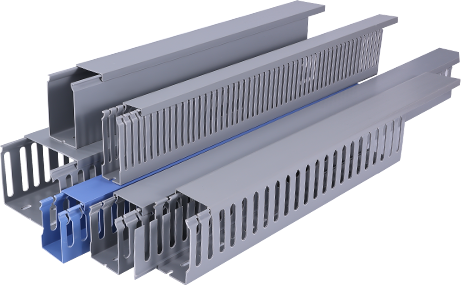

Homeowners often face the challenge of managing exposed electrical wires and cables, which can be both unsightly and hazardous. DIY home wiring duct systems provide an effective solution for organizing and securing these essential components. With the right tools, materials, and knowledge, homeowners can transform their cluttered electrical systems into safe, organized, and visually appealing installations.
Wiring ducts, also known as wire raceways or cable management systems, come in various materials and styles to suit different needs. Plastic ducts are lightweight, affordable, and easy to cut, making them ideal for residential applications. Metal ducts, on the other hand, offer enhanced durability and protection, suitable for areas with higher foot traffic or industrial use. Regardless of the material, proper installation requires careful planning and consideration of the specific requirements of each room or area.
Before beginning any DIY wiring duct project, it's crucial to assess your home's electrical needs. Identify the locations where wires need to be routed, considering both existing and future electrical requirements. Measure the distances between outlets, switches, and appliances to determine the appropriate length of duct needed. Sketching a simple layout can help visualize the routing path and minimize errors during installation.
The installation process typically starts with marking the wall for the duct placement. Use a level to ensure straight lines, which not only improves the aesthetic appeal but also ensures proper function. For plastic ducts, self-adhesive backing simplifies the process, allowing for quick attachment to the wall. Metal ducts may require screws or brackets for secure mounting, especially in areas where the duct will be subjected to stress or weight.
Once the duct is in place, it's time to route the wires. Carefully thread the cables through the duct, ensuring they are not kinked or stretched. Use cable ties or clamps to secure the wires at regular intervals, preventing them from shifting or rubbing against the duct walls. For added protection, consider using split ducts that allow for easy access to wires in case of future maintenance or upgrades.
Safety should always be a top priority when working with electrical systems. Before starting any project, turn off the power at the main circuit breaker to avoid the risk of electric shock. Use insulated tools and wear protective gear, such as gloves and safety glasses. If you're unsure about any aspect of the installation, consult a licensed electrician to ensure compliance with local building codes and safety standards.
In addition to organizing wires, DIY wiring ducts offer several other benefits. They protect cables from damage caused by pets, furniture, or accidental impacts, extending the lifespan of your electrical system. They also improve the overall appearance of your home by concealing unsightly wires, creating a clean and professional look. With the right design, wiring ducts can even be integrated into the decor, blending seamlessly with the surrounding environment.
Maintenance is relatively straightforward once the duct system is installed. Periodically inspect the ducts for signs of wear or damage, such as cracks or loose connections. Clean the ducts regularly to remove dust and debris, which can accumulate over time and potentially cause overheating. For plastic ducts, avoid using harsh chemicals that may damage the material; a damp cloth is usually sufficient for cleaning.
DIY home wiring duct projects range from simple installations for a single room to more complex systems covering an entire house. For beginners, starting with a small project, such as organizing wires behind a television or in a home office, can help build confidence and skills. As you gain experience, you can tackle larger projects, such as running ducts throughout the home to connect multiple rooms or appliances.
In conclusion, DIY home wiring duct systems offer a practical and cost-effective solution for managing electrical wires in your home. By following proper planning, installation, and maintenance procedures, homeowners can create a safe, organized, and visually appealing electrical system. Whether you're a seasoned DIY enthusiast or a beginner, with the right tools and knowledge, you can transform your home's electrical infrastructure and enjoy the benefits of a well-organized living space.