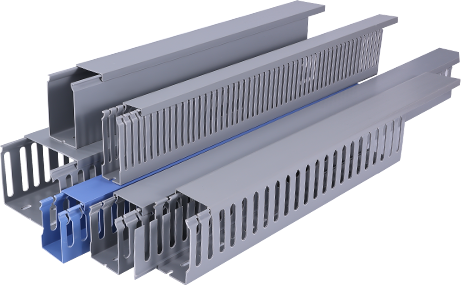

In the complex world of electrical and data infrastructure, one component often goes unnoticed despite its critical role in organizing and protecting cables: the cable raceway. This simple yet essential system has become an integral part of both residential and commercial environments, providing a clean, organized solution for managing the ever-growing network of wires that power our modern lives.
A cable raceway, also known as a cable channel or wire duct, is a rigid or flexible enclosure designed to route and protect electrical, communication, and data cables. Unlike traditional methods of running cables through walls or under floors, raceways offer a visible, accessible, and customizable solution that simplifies installation, maintenance, and future modifications. This versatility has made them a preferred choice for both new construction and retrofitting projects.
The benefits of using cable raceways are numerous. First and foremost, they provide physical protection for cables, shielding them from damage caused by foot traffic, furniture movement, or environmental factors. This protection not only extends the lifespan of cables but also reduces the risk of electrical fires or signal interference. Additionally, raceways contribute to a cleaner, more organized appearance by eliminating the unsightly mess of exposed wires, making them particularly valuable in office spaces, retail environments, and home offices where aesthetics matter.
Cable raceways come in a variety of materials, each suited to specific applications. PVC raceways are lightweight, cost-effective, and easy to install, making them ideal for residential use and low-traffic commercial areas. Metal raceways, typically made of aluminum or steel, offer greater durability and fire resistance, making them suitable for industrial settings or areas with high foot traffic. For outdoor applications, weather-resistant materials like UV-stabilized PVC or stainless steel ensure long-term performance in harsh environmental conditions.
Installation of cable raceways is relatively straightforward, even for those with limited technical expertise. Most systems feature snap-on or adhesive backing, allowing for quick and easy mounting on walls, ceilings, or floors. The modular design of many raceway systems enables users to create custom configurations, adding or removing sections as needed to accommodate changing cable requirements. This flexibility is particularly valuable in dynamic environments where technology needs evolve rapidly.
In commercial settings, cable raceways play a crucial role in supporting the complex network infrastructure required for modern businesses. They enable the efficient routing of power, data, and communication cables, ensuring reliable connectivity and minimizing downtime. In open-plan offices, raceways can be integrated into furniture or ceiling systems to maintain a clean, uncluttered workspace while providing easy access for maintenance or upgrades.
Residential applications of cable raceways have also grown in popularity as homes become more technologically advanced. With the proliferation of smart home devices, entertainment systems, and home offices, the need for organized cable management has never been greater. Raceways allow homeowners to hide unsightly wires while maintaining easy access for future upgrades or repairs, enhancing both the functionality and aesthetic appeal of living spaces.
As technology continues to advance, the role of cable raceways is likely to expand. The rise of 5G networks, Internet of Things (IoT) devices, and renewable energy systems will increase the demand for efficient cable management solutions. Manufacturers are responding by developing innovative raceway designs that accommodate higher data speeds, greater cable density, and more complex routing requirements.
In conclusion, cable raceways are the unsung heroes of modern wiring systems, providing a practical, versatile solution for organizing and protecting the cables that power our digital lives. Their ability to combine functionality with aesthetics makes them an essential component in both residential and commercial environments. As technology continues to evolve, the importance of effective cable management will only grow, ensuring that cable raceways remain a critical part of our infrastructure for years to come.