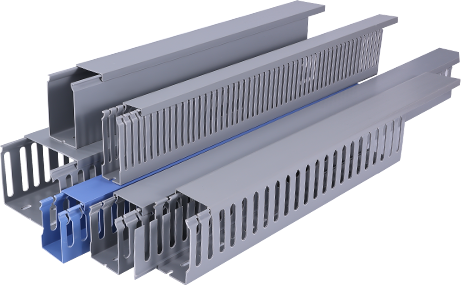

Slotted cable duct is a crucial component in modern electrical and communication systems, offering a versatile and efficient solution for managing and protecting cables. This specialized channel system features a series of slots along its length, allowing for easy insertion and extraction of cables while maintaining structural integrity. In this comprehensive guide, we will explore the design principles, installation techniques, and diverse applications of slotted cable duct, highlighting its importance in various industries.
The design of slotted cable duct is engineered to balance functionality and durability. Typically constructed from high-quality PVC, ABS, or metal, these ducts are designed to withstand environmental factors such as temperature variations, moisture, and mechanical stress. The slotted design is a key feature, enabling technicians to add or remove cables without disassembling the entire system. This flexibility is particularly valuable in dynamic environments where cable configurations may change over time. Additionally, slotted ducts often include locking mechanisms or snap-on covers to secure cables and prevent dust, debris, or unauthorized access.
Installation of slotted cable duct requires careful planning and attention to detail. The first step involves assessing the layout of the space and determining the optimal path for cable routing. Technicians must consider factors such as cable type, length, and load capacity to select the appropriate duct size and material. During installation, it is essential to ensure that the duct is properly secured to walls, ceilings, or floors using brackets or fasteners. The slots should be aligned to facilitate easy cable insertion, and any joints between duct sections must be sealed to maintain continuity and protection. Proper installation not only ensures the longevity of the system but also minimizes the risk of cable damage or signal interference.
Slotted cable duct finds applications across a wide range of industries. In commercial buildings, it is used to organize electrical and data cables, supporting the infrastructure for offices, retail spaces, and healthcare facilities. The ability to easily access and modify cables makes it ideal for environments where technology upgrades are frequent. In industrial settings, slotted ducts are employed to protect cables from harsh conditions, including exposure to chemicals, heavy machinery, and extreme temperatures. They are also integral to transportation systems, such as airports and railway stations, where reliable cable management is critical for operational efficiency.
Beyond its practical applications, slotted cable duct contributes to safety and compliance. By organizing cables in a structured manner, it reduces the risk of tripping hazards and fire incidents caused by tangled or exposed wires. Many jurisdictions have specific regulations regarding cable management, and slotted ducts help ensure compliance with these standards. Additionally, the transparent or semi-transparent design of some ducts allows for visual inspection of cables, simplifying maintenance and troubleshooting.
In conclusion, slotted cable duct is an indispensable tool for modern cable management. Its innovative design, ease of installation, and wide-ranging applications make it a preferred choice for professionals in electrical, communication, and construction fields. By investing in high-quality slotted cable duct systems, organizations can enhance the reliability, safety, and efficiency of their cable infrastructure, ensuring seamless operation in an increasingly connected world.