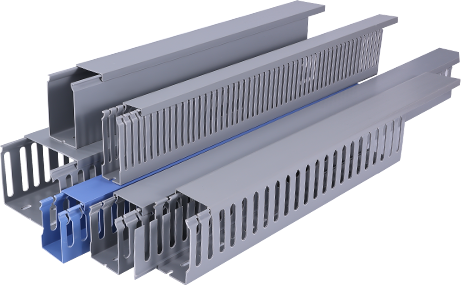

Wiring duct for electrical systems is an essential component in modern electrical installations, serving as a versatile solution for organizing, protecting, and managing electrical wires and cables. Whether in residential, commercial, or industrial settings, wiring ducts play a crucial role in ensuring the safety, efficiency, and aesthetics of electrical systems. This comprehensive guide explores the various aspects of electrical wiring ducts, including their types, applications, installation methods, and benefits.
Electrical wiring ducts, also known as wireways or cable ducts, are designed to enclose and route electrical wires and cables. They come in a variety of materials, sizes, and configurations to accommodate different installation requirements. Common materials include PVC, metal (such as steel or aluminum), and fiberglass, each offering unique properties. PVC ducts are lightweight, cost-effective, and resistant to corrosion, making them suitable for indoor applications. Metal ducts, on the other hand, provide superior protection against physical damage and fire, making them ideal for industrial environments. Fiberglass ducts offer excellent insulation properties and are often used in high-temperature or corrosive environments.
The primary function of wiring ducts is to organize and protect electrical wires. By enclosing wires within a duct, they prevent tangling, reduce the risk of damage from external factors such as moisture, dust, and mechanical impact, and improve the overall appearance of the electrical installation. Additionally, wiring ducts facilitate easy access to wires for maintenance and repairs, reducing downtime and labor costs. They also help in complying with electrical codes and standards, ensuring that installations meet safety requirements.
When selecting a wiring duct, several factors need to be considered. The size of the duct should be sufficient to accommodate the number and size of wires, with enough space for future expansion. The material should be chosen based on the environment, such as temperature, humidity, and exposure to chemicals. The configuration of the duct, including the number of compartments and the presence of covers, should also be considered to meet specific installation needs.
Installation of wiring ducts requires careful planning and execution. The first step is to determine the routing path, taking into account the layout of the building and the location of electrical components. The ducts should be installed in a way that minimizes bends and turns, as sharp angles can cause damage to wires. Proper support and fastening are essential to ensure the ducts remain in place and do not sag over time. Additionally, the ducts should be sealed at joints and connections to prevent the entry of dust and moisture.
In residential applications, wiring ducts are commonly used to organize wires in basements, attics, and utility rooms. They help in keeping wires neat and organized, reducing the risk of tripping hazards and making it easier to identify and access specific wires. In commercial buildings, wiring ducts are used in offices, retail spaces, and data centers to manage the large number of wires required for electrical systems, communication networks, and security systems. In industrial settings, wiring ducts are essential for protecting wires from harsh conditions, such as high temperatures, vibrations, and chemical exposure.
The benefits of using wiring ducts extend beyond organization and protection. They also improve the efficiency of electrical systems by reducing signal interference and ensuring proper airflow around wires, which helps in heat dissipation. This can extend the lifespan of wires and reduce the risk of overheating and fire. Additionally, wiring ducts can be customized to meet specific design requirements, with options for color, finish, and labeling to enhance the aesthetic appeal of the installation.
In conclusion, wiring duct for electrical systems is a vital component that offers numerous benefits in terms of organization, protection, and efficiency. By selecting the right type of duct and following proper installation practices, electrical professionals can ensure the safety and reliability of electrical systems. Whether in residential, commercial, or industrial settings, wiring ducts play a crucial role in maintaining the integrity of electrical installations and complying with safety standards. As technology continues to advance, the demand for high-quality wiring ducts will only increase, making them an essential part of modern electrical infrastructure.