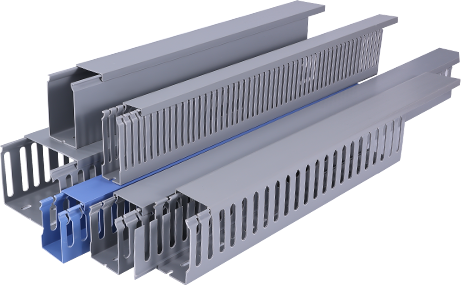

In the ever-evolving landscape of electrical infrastructure, the role of a global wiring duct exporter has become increasingly significant. These specialized companies not only supply essential components but also drive innovation and set industry standards across continents. As electrical systems grow more complex, the demand for high-quality wiring ducts has surged, making these exporters key players in modern construction and industrial development.
Wiring ducts, also known as cable raceways or wire channels, are critical components in organizing and protecting electrical wiring. They ensure safety, improve efficiency, and simplify maintenance in residential, commercial, and industrial settings. A global wiring duct exporter operates on an international scale, navigating diverse markets, regulatory frameworks, and cultural nuances to deliver products that meet global standards. This requires a deep understanding of regional requirements, from North America's NEC standards to Europe's CE marking and Asia's specific safety protocols.
One of the primary challenges for a global wiring duct exporter is maintaining consistent quality across different markets. This involves rigorous testing, certification, and compliance with international standards such as UL, CSA, and IEC. By adhering to these benchmarks, exporters can build trust with clients worldwide, ensuring their products perform reliably in various environments. Additionally, customization is often necessary to meet specific project needs, whether it's adjusting dimensions, materials, or fire resistance ratings.
Innovation is another cornerstone of successful global wiring duct exporters. As technology advances, so do the demands for more efficient and sustainable solutions. Many exporters invest heavily in research and development to create products that are not only durable but also eco-friendly. For example, the use of recycled materials and low-VOC (volatile organic compound) coatings has become increasingly common, aligning with global sustainability goals. Smart wiring ducts equipped with sensors for temperature and humidity monitoring are also emerging, offering enhanced functionality for modern smart buildings.
The global supply chain plays a crucial role in the operations of a wiring duct exporter. Efficient logistics, from manufacturing to distribution, ensures timely delivery even to remote locations. This requires strategic partnerships with shipping companies, customs brokers, and local distributors to navigate international trade regulations and minimize delays. Moreover, digitalization has transformed supply chain management, with real-time tracking and data analytics optimizing inventory levels and reducing costs.
Cultural competence is essential for a global wiring duct exporter. Understanding local business practices, communication styles, and customer preferences can make the difference between success and failure in a new market. For instance, while Western markets may prioritize individualism and direct communication, Asian markets often value relationship-building and indirect negotiation. Adapting to these cultural differences helps exporters build long-term partnerships and gain a competitive edge.
The impact of a global wiring duct exporter extends beyond business transactions. By providing reliable electrical components, they contribute to the safety and efficiency of infrastructure projects worldwide. From skyscrapers in Dubai to manufacturing plants in Germany and residential complexes in Brazil, their products form the backbone of modern electrical systems. This global reach also fosters knowledge exchange, as exporters share best practices and technological advancements across borders.
Looking ahead, the role of global wiring duct exporters will continue to evolve with emerging trends. The rise of renewable energy, smart cities, and electric vehicles will create new demands for specialized wiring solutions. Exporters that can adapt to these changes, invest in innovation, and maintain a customer-centric approach will thrive in the competitive global market. By balancing quality, sustainability, and cultural awareness, they will not only meet current needs but also shape the future of electrical infrastructure around the world.